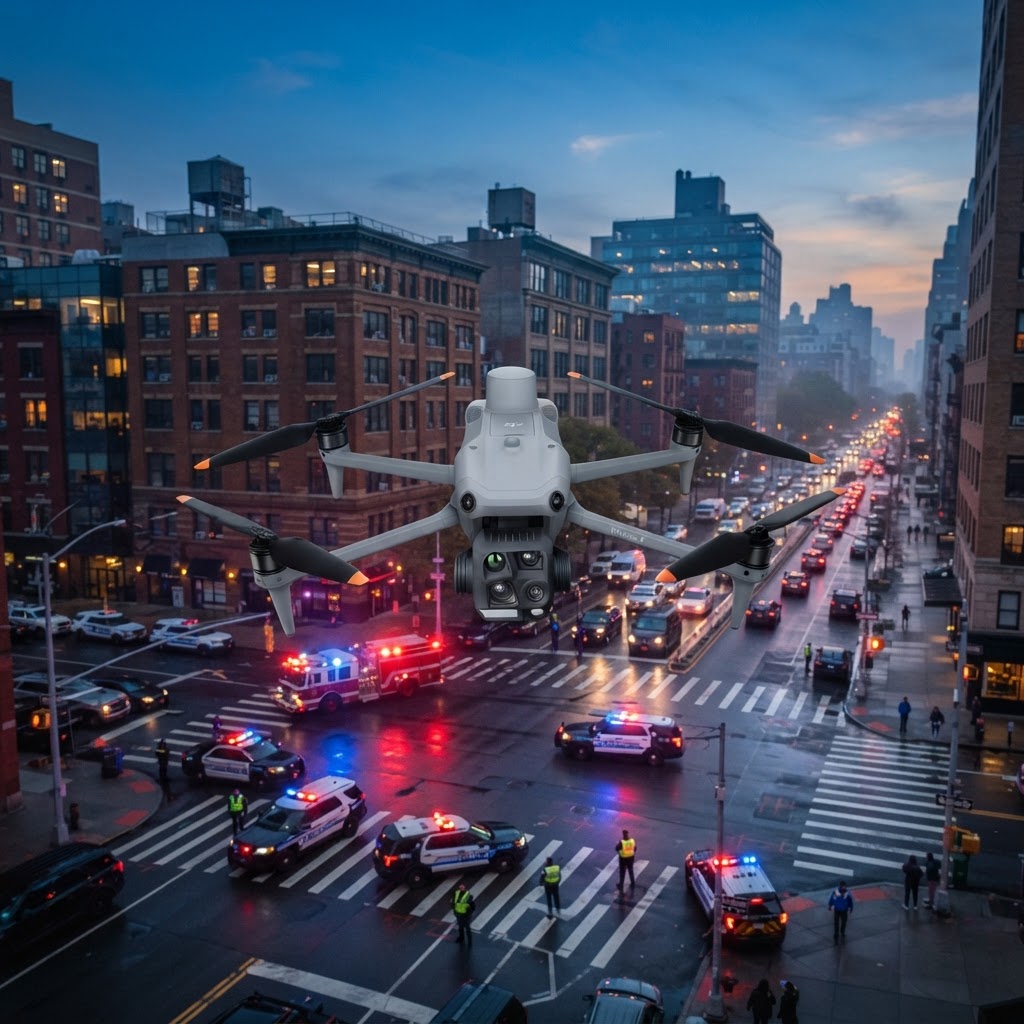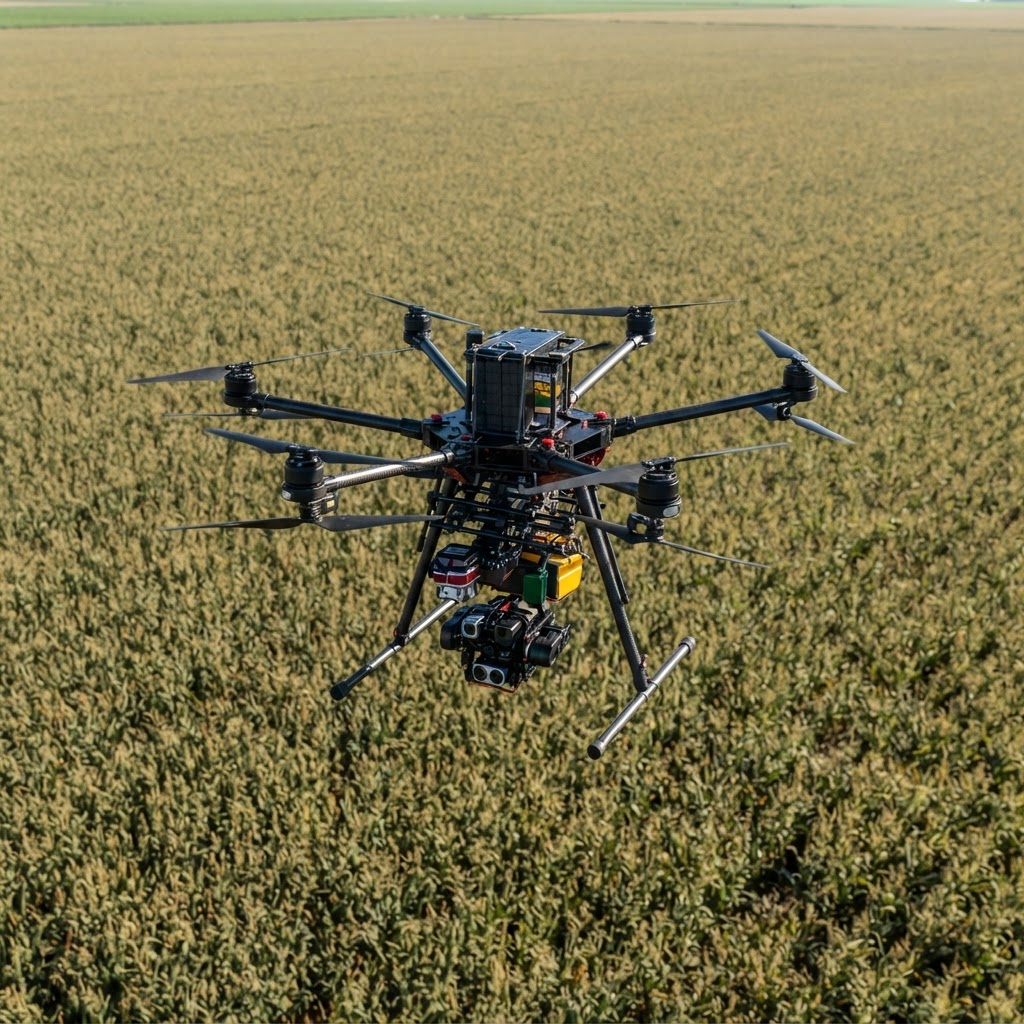
Lead: Remote ID is what made a drone identifiable in the air the way a license plate identifies a car. The rule lives in 14 CFR Part 89, it has been enforceable since September 16, 2023, and it reaches nearly every drone a working pilot flies — including anything flown under Part 107, no matter how light the aircraft is. Here is what it actually asks of you, and the three legal ways to satisfy it.
What Part 89 is
Part 89 is the FAA's Remote Identification rule. It requires that an unmanned aircraft in flight broadcast identifying information about itself and about the person holding the controls, in a form anyone with a receiver — a police officer, a stadium operator, another pilot — can read without special permission.
The thing to understand before anything else: this is a local broadcast, not an internet check-in. The aircraft transmits over Wi-Fi and Bluetooth. There is no data plan required, no app that has to be running, and no connection to an FAA server. If your aircraft is compliant and powered, it is transmitting.
Which drones must comply
Remote ID attaches to a UAS the FAA requires you to register, which in practice means:
- Any drone at or above 0.55 lb (250 g), flown recreationally or commercially, since registration is required at that weight.
- Any drone flown under Part 107, at any weight. A 249 g aircraft flown for a paying client is a registered aircraft, so it needs Remote ID. This is the one that catches new commercial pilots.
- Foreign civil drones operated in the United States.
The narrow carve-out is a recreational flight under 49 U.S.C. 44809 on an aircraft under 250 g that is not registered — it is not a registered aircraft, so the broadcast requirement does not attach.
The three ways to comply
There are only three, and every legal flight is doing one of them.
Standard Remote ID
The drone was built with Remote ID inside it. The broadcast carries the aircraft's own serial number, and the aircraft reports both its own position and the position of the control station.
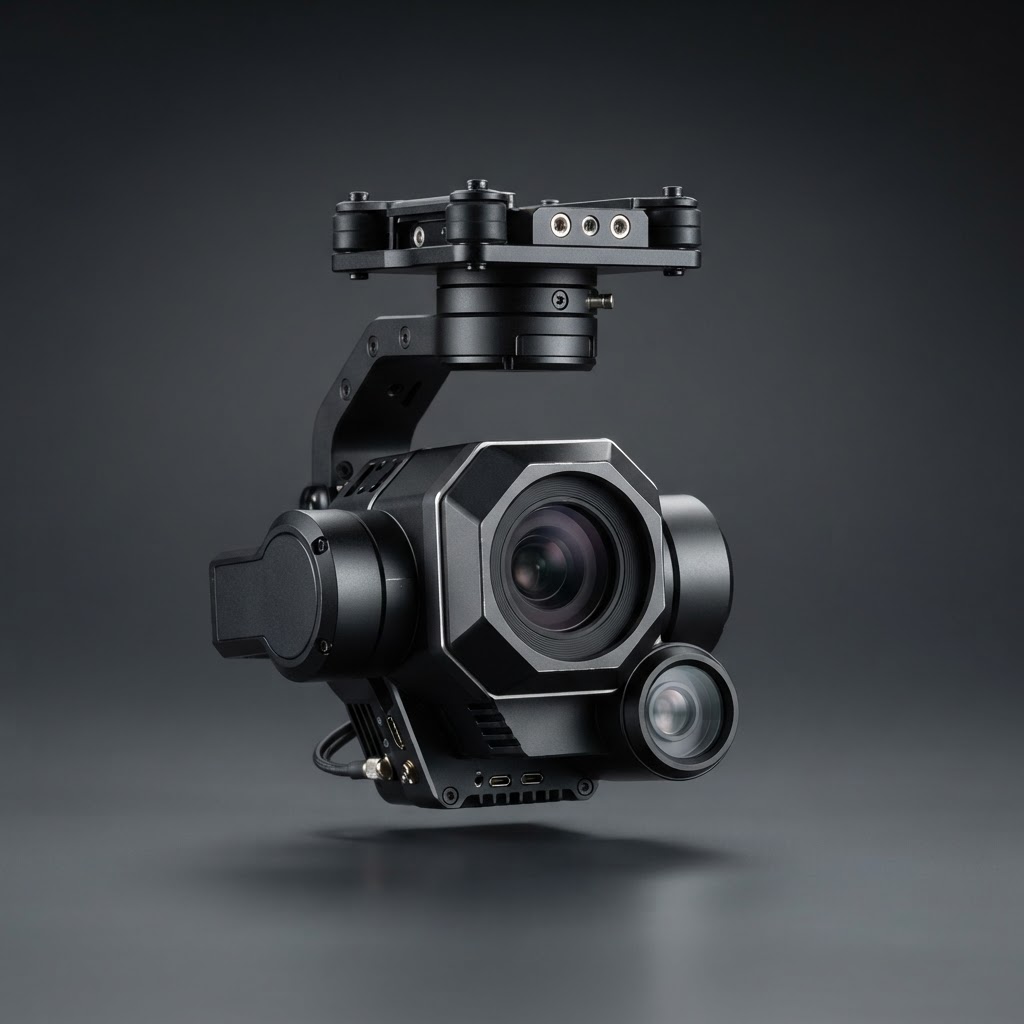
A Remote ID broadcast module
An add-on module that broadcasts on behalf of an aircraft that was not built with Remote ID. The module carries its own serial number, is registered under that serial, and can be moved between aircraft — but it flies with one aircraft at a time, and that aircraft stays within visual line of sight of the operator or a visual observer for the whole flight.
A FRIA
A FAA-Recognized Identification Area is a defined piece of airspace where flight without a broadcast is permitted. FRIAs are requested by community-based organizations and educational institutions, and the FAA closed the window for new applications at the end of 2022. Existing areas are valid for 48 months and have to be renewed, so a FRIA you relied on last season is worth re-checking before you fly there again.
What your drone actually transmits
The broadcast message carries:
- The UAS ID — the aircraft serial number for standard Remote ID, the module serial for a module
- The aircraft's latitude, longitude, geometric altitude, and velocity
- The control station's latitude, longitude, geometric altitude, and velocity
- Emergency status, and a time mark
Nothing in that message is your name, your address, or your registration number. The broadcast says this aircraft is here and its controls are there. Identifying who is flying it takes a legal request to the FAA against the registration on file — which is exactly why the registration has to be accurate.
Registration and the module serial
Standard Remote ID: register the aircraft the way you always have and enter the drone's serial number.
Broadcast module: register the module as an add-on, by its own serial number. That serial becomes the UAS ID in the broadcast. Moving the module to another aircraft does not change it. Only one aircraft may fly with a given module at a time.
If you fly more than one aircraft without built-in Remote ID, you need a module for each one you intend to have in the air at the same time.
How this sits with Part 107
Remote ID is an addition to Part 107, never a substitute for any part of it. The certificate, the preflight inspection, the airspace authorization, the registration, the records — all of it still applies, and a compliant broadcast does not make an unlawful flight lawful.
The practical effect is procedural: Remote ID belongs on the preflight checklist. Aircraft registered, serial on file, broadcast confirmed, and a module attached and in sight if you are flying one.
Five mistakes new pilots make
- Assuming a light drone is exempt. Under Part 107 weight does not matter — a sub-250 g aircraft flown commercially still needs Remote ID.
- Assuming a drone that supports Remote ID is compliant. Support is not the same as enabled and registered. Confirm the firmware is current and the serial on file matches the aircraft.
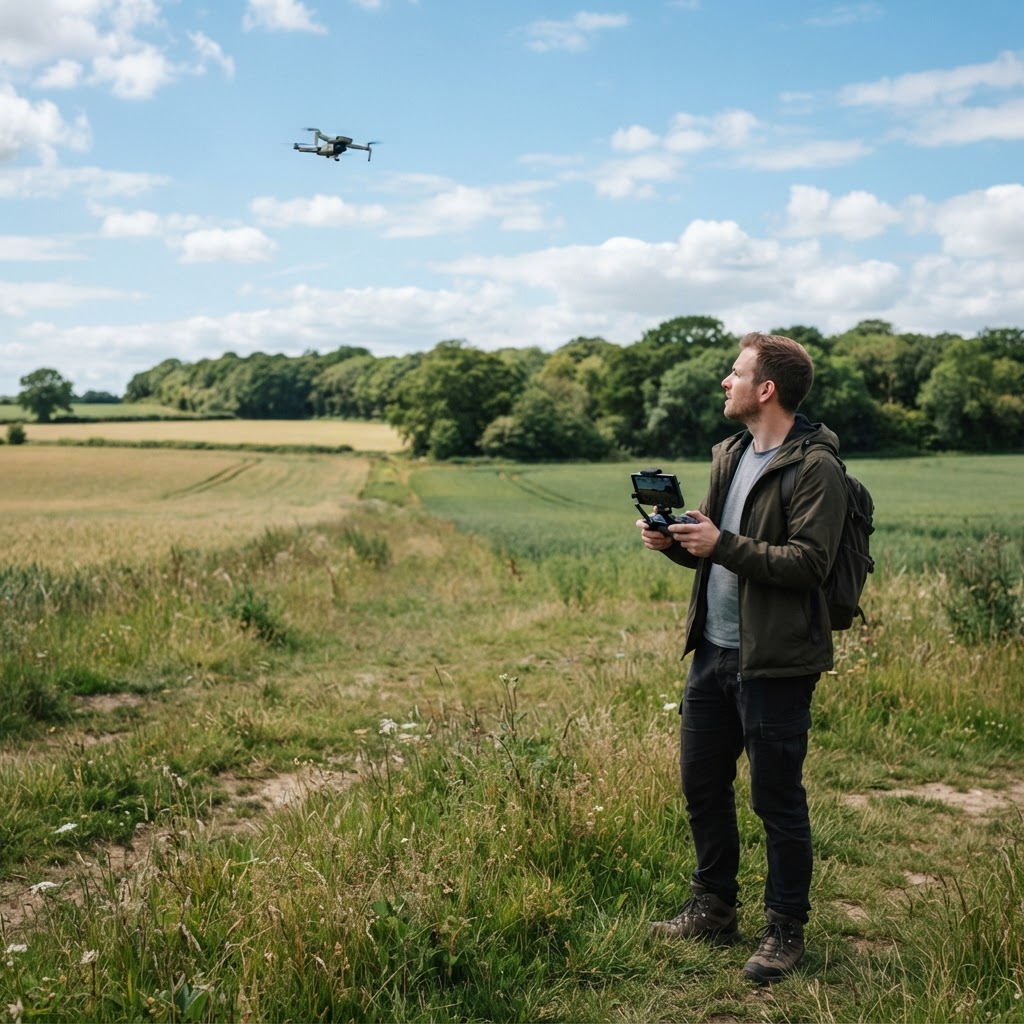
- Flying a module out of sight. A module operation keeps the aircraft within visual line of sight — yours or a visual observer's — for the whole flight.
- Flying two aircraft on one module. A module identifies one aircraft at a time.
- Trusting an old FRIA. Areas expire. Confirm the area is still current before you plan a flight that depends on it.
What to do before your next flight
- Check the aircraft's Remote ID status in its own app or manual, and confirm the broadcast is active.
- Confirm the serial number on your registration matches the aircraft — or the module — you are about to fly.
- If you fly a module, attach it, register it, and keep the aircraft in sight.
- Check any FRIA you rely on for current status.
Bottom line
Remote ID is the least interesting rule in Part 107 and one of the easiest to get wrong, because the failure mode is silent: nothing on the aircraft tells you that a serial number is wrong or that a module is not registered. Check it once, put it on the preflight checklist, and it stops being a risk.