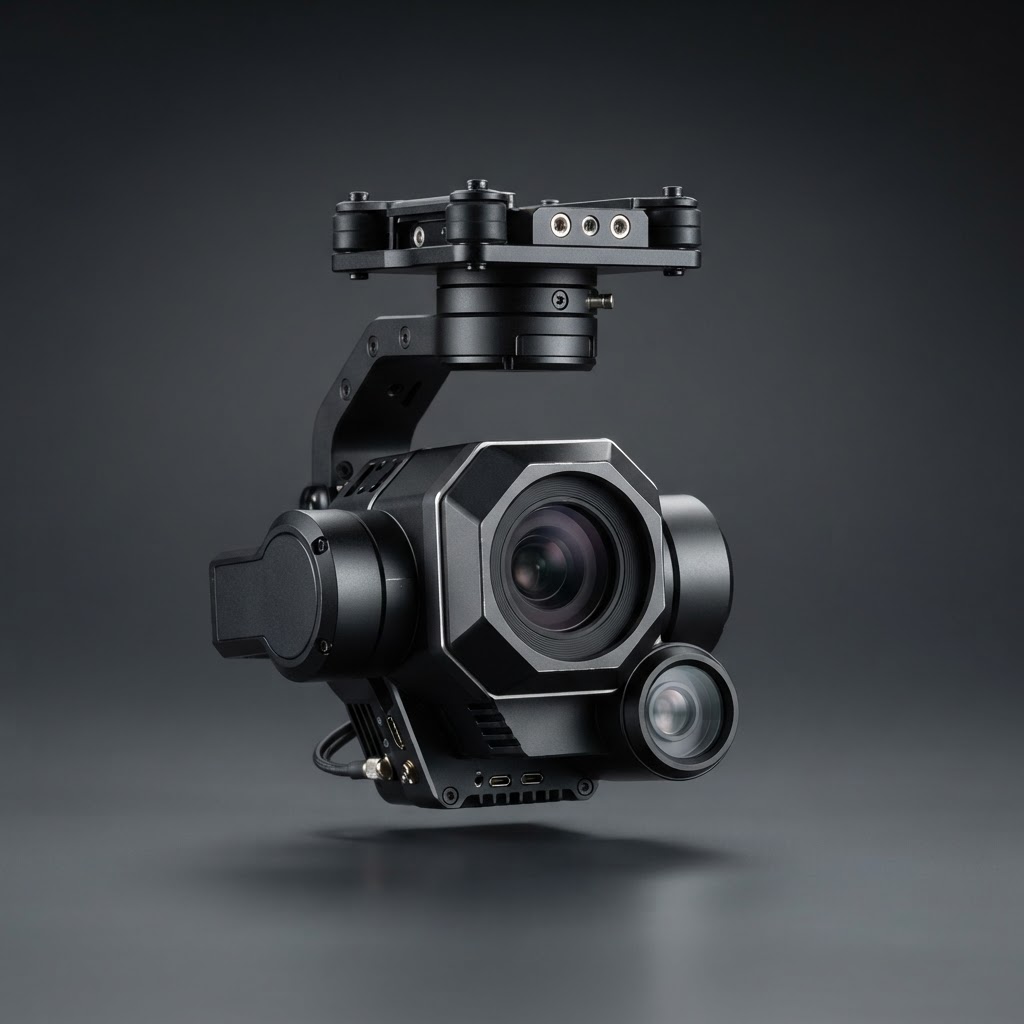
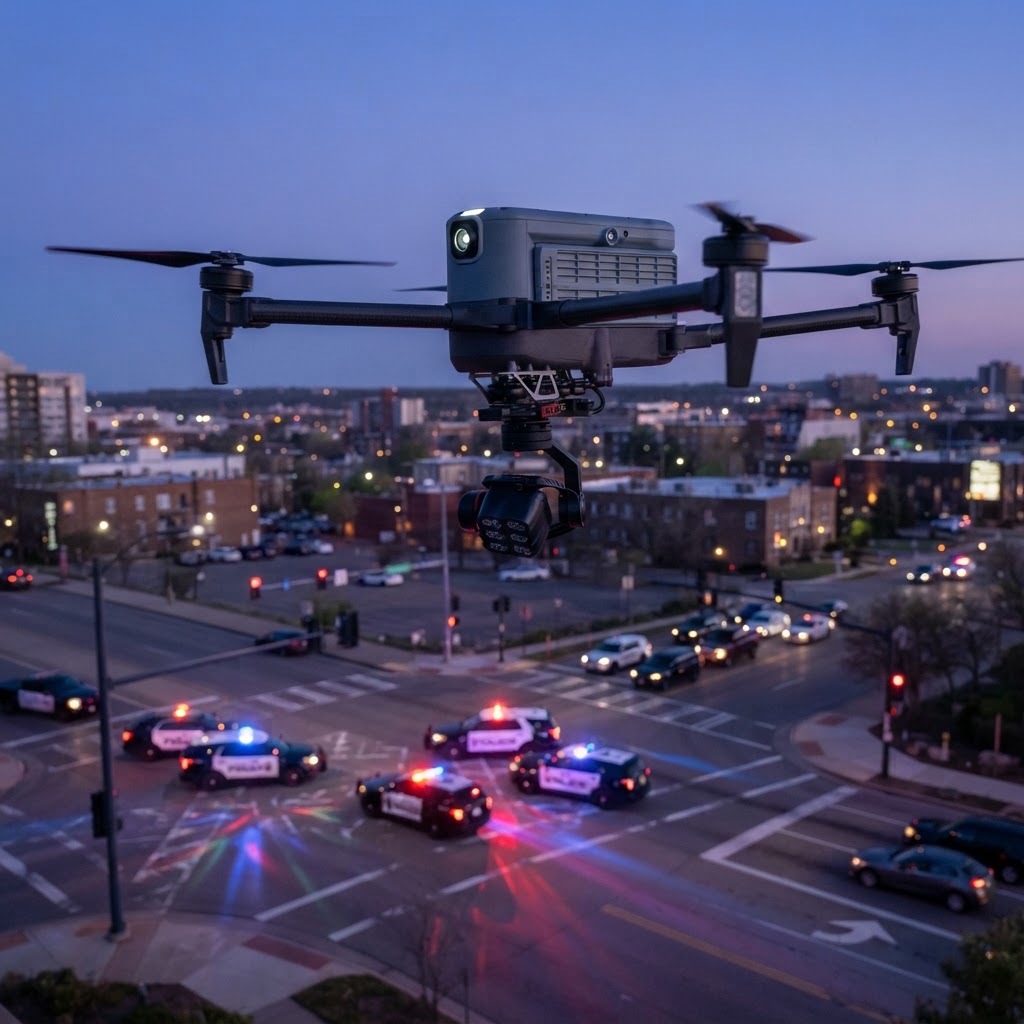
The market for thermal inspection drones in the United States has split into two parallel tracks: integrated commercial platforms optimized for rapid field deployment and open-ecosystem, NDAA-compliant aircraft designed to satisfy government security rules. Today's industrial inspection workflows—ranging from utility substations and commercial roofing to solar farms and telecom towers—depend heavily on radiometric resolution, sensor sensitivity, and automated flight paths. As regulatory compliance policies like the National Defense Authorization Act (NDAA) and Federal Communications Commission (FCC) lists increasingly dictate procurement for public agencies and critical infrastructure operators, choosing the right platform requires balancing imaging capabilities and autonomous flight features against sourcing constraints.
What owners consistently praise
- Imaging clarity and thermal sensitivity: Reviews consistently highlight the performance of 640×512 radiometric thermal sensors, such as the Teledyne FLIR Boson+ used on the Skydio X10 and standalone kits, which delivers thermal sensitivity under 30 mK for identifying subtle anomalies according to Voliro's inspection guide and Reliable Media's 2026 industrial inspection overview.
- Integrated multi-sensor payloads: Platforms carrying hybrid visual, thermal, and zoom sensors—such as the DJI Zenmuse H20T or H30T, and the Autel EVO II Dual 640T V3—draw praise for capturing visual defect photos and radiometric temperature data simultaneously in a single pass (Hammer Missions, Pilot Institute).
- Rapid setup and portability: Compact, foldable aircraft like the DJI Mavic 3T and the Autel EVO II Dual 640T series receive high marks from roof and building inspectors for quick deployment from a case or backpack without complex assembly (Pilot Institute, Reliable Media).
- Close-in structural autonomy: Operators emphasize the AI-assisted autonomy and obstacle avoidance of the Skydio X10, which allows safe, repeatable close-proximity tracking around towers, substations, and bridges while reducing manual pilot stress (Aerora Tech Infrastructure Guide, Reliable Media).
- Modular payload flexibility: Heavy- and mid-lift airframes like the Inspired Flight IF800 Tomcat and Freefly Astro are commended for their open payload architecture, allowing integration of third-party radiometric sensors and lidar systems (Aerora Tech Infrastructure Guide).
What owners consistently criticise
- High cost of multi-sensor systems: Enterprise-grade multi-sensor setups, such as the DJI Zenmuse H20T and larger radiometric kits, face persistent criticism for steep entry costs that pose a barrier for smaller operators (Hammer Missions).
- Image degradation at high zoom: Reviewers note that while digital zoom on compact inspection drones lets operators inspect from a safe distance, image clarity degrades significantly at maximum magnification levels, as reported on platforms like the DJI Mavic 3T (Skyward Wings).
- Heavier payload and airframe requirements: Dedicated enterprise cameras like the Zenmuse H20 series or modular industrial setups require large heavy-lift airframes (such as the Matrice 350 RTK), limiting their practicality for quick, single-operator roof checks (Hammer Missions).
- Software and connectivity barriers: Users point out that simply matching an airframe to a flight-controller ecosystem does not guarantee plug-and-play third-party camera compatibility; video transmission, control interfaces, and analysis software integration often require extra configuration (TheDroneFlight).
Who each brand suits
- DJI: Best suited for commercial inspection providers, roofing contractors, and industrial plants operating outside strict federal sourcing mandates. The Matrice 350 RTK remains a multi-payload heavy-duty standard, while the Matrice 4T and Mavic 3T serve as portable rapid-deploy thermal systems (Reliable Media, Pilot Institute). Note: DJI has been placed on the FCC Covered List, restricting certain federally affiliated operations. (Aerora Tech Infrastructure Guide)
- Autel Robotics: Fits private commercial inspectors and contractors needing capable radiometric analysis (such as spot, line, and area measurements) on portable, ready-to-fly platforms like the EVO II Dual 640T V3 and EVO Max 4T without ecosystem lock-in (Pilot Institute, Skyward Wings).
- Skydio: Ideal for critical infrastructure managers, bridge inspectors, and telecom asset auditors requiring close-range autonomous flight and U.S.-sourced hardware. The Skydio X10 carries a FLIR Boson+ sensor and holds Blue UAS Cleared status (Reliable Media, Voliro).
- Inspired Flight: Targeted at U.S. government, defense, and utility fleets needing mid-to-heavy lift capability. The IF800 Tomcat and IF1200A provide Blue UAS-listed, NDAA-compliant airframes for custom payloads combining radiometric thermal and lidar (Aerora Tech Infrastructure Guide).
- Freefly Systems: Best for technical inspection teams and mapping professionals who need open-architecture, heavy-lift platforms like the Freefly Astro to carry specialized third-party thermal, visual, or lidar sensors (Aerora Tech Infrastructure Guide).
- Teledyne FLIR: The standard component supplier for drone builders and inspection teams needing uncooled thermal cores (such as the Boson+ and Hadron 640R+ dual EO/IR module), as well as standalone systems like the SIRAS airframe (Aerora Tech Payloads Guide, Skyward Wings).
How to choose
- Qualitative hot-spot detection vs. Radiometric data: Determine whether the job requires merely finding a thermal anomaly (such as search and rescue) or capturing radiometric temperature values per pixel for engineering reports and insurance claims (TheDroneFlight).
- Compliance and sourcing: Verify client requirements. Work involving federal grants, defense agencies, or critical infrastructure may mandate NDAA compliance or Blue UAS listing, ruling out certain foreign-manufactured platforms (Aerora Tech Infrastructure Guide, Reliable Media).
- Resolution and thermal sensitivity (NETD): For fine electrical work and hairline building envelope faults, select 640×512 resolution with thermal sensitivity under 30 mK or 20 mK (Aerora Tech Payloads Guide, Voliro).
- Operational environment: Open field work benefits from long battery reserves and multi-sensor gimbals on heavy lifters, whereas tight structural inspections around steel bridges and towers benefit from 360-degree obstacle avoidance or autonomous flight assist (Voliro, Hammer Missions).
How this guide was built
This guide synthesizes independent evaluations, technical reviews, and reporting from drone inspection publications, commercial pilot educational resources, and hardware analysis platforms including Pilot Institute, Hammer Missions, Voliro, Skyward Wings, Reliamag, and Aerora Tech. Sourcing claims, payload configurations, and compliance statuses are cited directly from these published assessments.