The short version
- 256 — entry-level, light, affordable. Great under 150 yards.
- 384 — the sweet spot. Most hunters and operators land here.
- 640 — pro-grade clarity and range. Heavier and pricier.
What the numbers mean
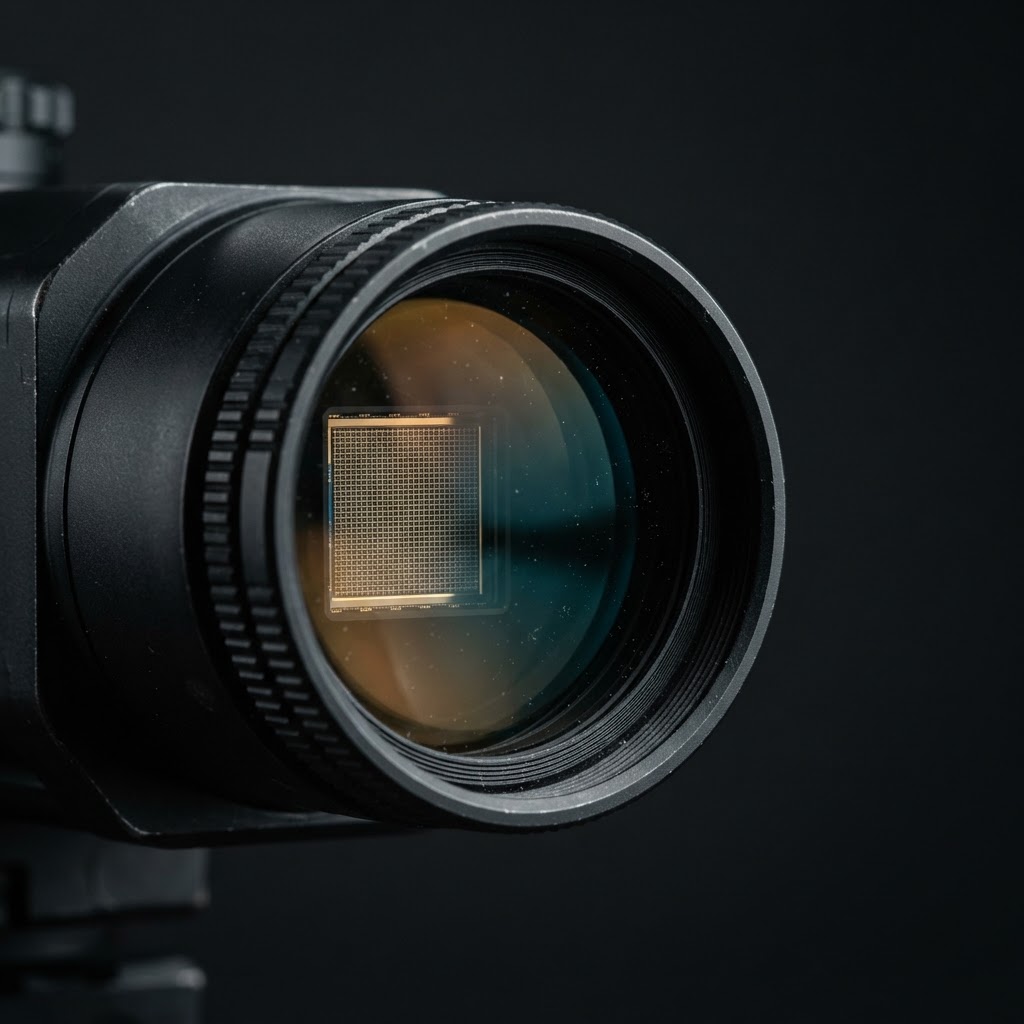
The sensor resolution is how many pixel elements capture heat. More pixels = more detail = better image at distance — but also more cost and slightly more weight and power draw.
A 256×192 sensor detects a heat signature and identifies a target at moderate range. A 384×288 sensor gives a noticeably cleaner picture and extends reliable identification (~800yd detection). A 640×480 sensor gives the sharpest image and longest useful range (~1500yd+ detection), and pairs best with larger objectives (50mm+) for true long-range work.
NETD: the spec most people ignore
NETD (Noise Equivalent Temperature Difference) is thermal sensitivity — how small a temperature difference the sensor can resolve. Lower is better. A ≤25mK sensor is excellent; ≤18mK is flagship. It matters most when conditions are tough: fog, rain, or a flooded field where everything reads the same temperature. A sensitive 384 with a great lens can out-resolve a mediocre 640 in bad weather. Most of our 12µm sensors (iRay, AGM V3, Nocpix) now hit sub-20mK.
Refresh rate
50Hz is the standard and is plenty smooth for hunting. 60Hz (Trijicon IR-HUNTER, some iRay/N-Vision) feels a touch smoother on fast-moving predators, but draws a little more power. Don't overspend for 60Hz unless you're running-and-gunning.
Which one are you?
New to thermal or on a budget: 256 is honest and capable — don't let anyone call it "not real thermal." Hunt often and want one keeper scope: 384 is the answer most of the time. Shoot past 300 yards, do rangefinder work, or want the best image: 640 is worth it.
The lens matters too
Resolution alone doesn't define range — the objective lens gathers the heat. A 384 behind a 35mm lens often outperforms a 640 behind a 19mm. Match the lens to the resolution.